Disclosure: This post may contain affiliate links. If you make a purchase through these links, I may earn a small commission at no extra cost to you. See my full disclosure.

The People Part of Being a Superintendent
I thought this job would mostly be repairs, cleaning, keys, contractors, and work orders. Then I learned fast that the people side is just as important. A tenant can forgive a delay if they know what is happening. What they remember is being ignored.
Nobody told me how much of this job would be people.
When I first got into building work, I thought the hard part would be mechanical rooms, plumbing calls, cleaning schedules, contractors, keys, inspections, all the normal stuff. And yes, that part matters. You need to know the building. You need to know when something is beyond your scope. You need to know who to call when a system is acting up.
But the part that can make or break your day is usually the conversation in the hallway.
A tenant is upset because a repair is taking too long. Someone is worried because they heard a noise in the wall. Someone else thinks they were forgotten because nobody called them back. Half the time, the issue is not only the repair. It is the feeling that nobody is listening.
That is where a superintendent can either calm the building down or make it worse.
People want to know they were heard
You do not have to have every answer right away.
If a part is backordered, say that. If a contractor has not confirmed a time yet, say that. If the repair is going to take longer than the tenant wants, be honest about it.
What drives people crazy is silence.
I had a dishwasher leak once where the part took longer than expected. It was not a fun repair. The tenant was annoyed, and honestly, I understood why. But I kept checking in. I told them where things stood. I gave them the timeline I had, not the timeline I wished I had.
When it was finally fixed, they were fine. Not because it was fast. It was not fast. They were fine because they did not feel abandoned.
That is a big difference.
Do not talk down to people
Tenants do not always understand building systems. Why would they? Most people do not know why a boiler needs maintenance, why a contractor has to inspect before ordering parts, or why a common area repair can take approvals before anything happens.
That does not mean they are stupid.
Explain it in plain language. Do not hide behind technical words. Do not act annoyed because they asked. If someone is frustrated, give them the basic picture: what happened, what you are doing, and when they should expect an update.
That usually solves more than people think.
Boundaries still matter
Good customer service does not mean being available for every complaint at every hour.
This part is important, especially if you live in or near the building. You can be respectful without letting every hallway conversation turn into a full meeting. You can care about tenants without letting them run your whole day.
If someone catches me when I am in the middle of something, I try not to brush them off. But I also do not let a heated conversation happen in the elevator or lobby if it needs a proper follow-up. Sometimes the best answer is, "Let me look into this and get back to you."
Then you actually have to get back to them.
That last part is where trust is built.
The difficult tenants still get professionalism
Every building has easy tenants and difficult tenants.
The easy ones say thank you, report issues clearly, and understand that some repairs take time. The difficult ones call three times, escalate quickly, and make every problem feel personal.
You cannot let that change your standard.
You do not have to accept abuse. You do not have to stand there and be yelled at. But you should still be consistent. Same process. Same documentation. Same calm tone. Same follow-up.
If you start playing favourites, people notice. Buildings are small worlds. Word travels.
Good communication prevents bigger problems
When tenants trust you, they tell you things earlier.
They mention the slow drain before it backs up. They report the hallway light before someone trips. They tell you about a strange smell before it becomes a bigger issue. They give you a heads-up instead of waiting until they are furious.
That makes the job easier.
I have caught problems early because a tenant felt comfortable saying something in passing. That does not happen if people think you do not care or will brush them off.
The relationship matters because the building runs on information.
The repair is only part of the experience
A toilet can be fixed perfectly and the tenant can still feel disrespected if nobody explained what was happening.
A repair can take longer than expected and the tenant can still be okay if they were kept in the loop.
That is the part I had to learn. The work order is not just a task. There is a person on the other end waiting, adjusting their day around it, wondering if anyone remembers.
So yes, fix the thing. But also return the call. Leave the note. Send the update. Knock on the door when you said you would.
Those little things are not extra. They are part of the job.
What I try to remember
People usually come to building staff when something is already wrong.
They are not always at their best. Sometimes they are tired, stressed, embarrassed, angry, or worried. I do not have to take everything personally. I also do not have to fix their whole life.
My job is to be steady. Listen, document, explain, follow up, and do the repair properly.
That sounds simple. It is not always easy.
But in this job, being steady goes a long way.
Loading reactions…
Comments
New notes are reviewed before they appear. Be kind and on-topic.
Loading comments…
Related posts
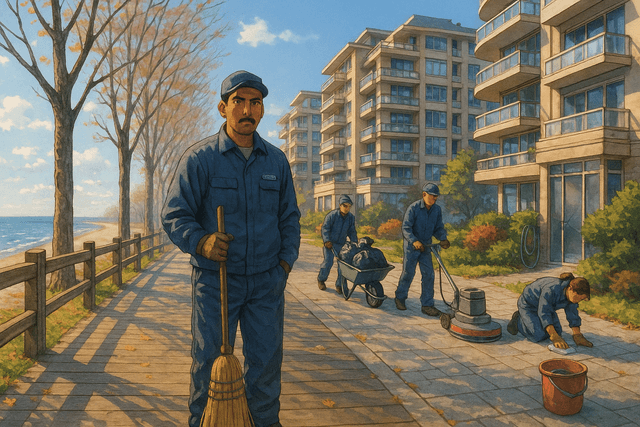
The People Behind Your Building: Why Good Staff Matter More Than You Think
Behind every well-run building is a team of people quietly holding things together, often without recognition, and sometimes under real pressure. This is what that work actually looks like, and why how you treat building staff matters more than most residents ever realize.
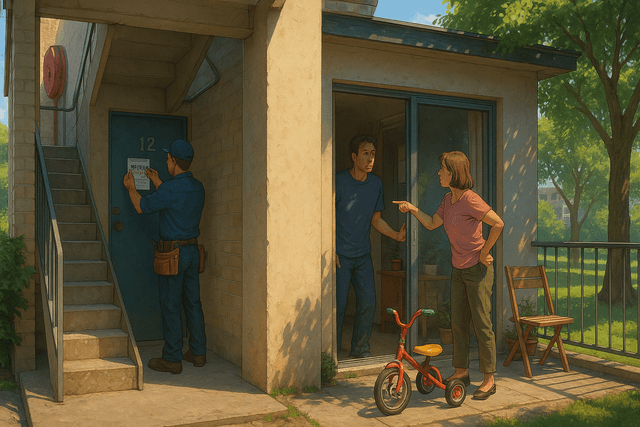
What Is a Notice of Entry (NOE) and What It Isn't
A Notice of Entry is one of the most misunderstood documents in residential buildings. As a superintendent, I've seen tenants panic over them and others ignore them entirely, and both reactions cause problems. Here's what an NOE actually means and how it fits into the repair process.

Honesty Builds Trust: Why Character Matters in Building Superintendent Work
Trust isn't something you can manufacture or fake in this profession. As a building superintendent, your character shows in the small moments, and those moments add up to something that either earns you respect or quietly costs you it. Here's why honesty is the most practical tool I carry.