Disclosure: This post may contain affiliate links. If you make a purchase through these links, I may earn a small commission at no extra cost to you. See my full disclosure.

The People Behind Your Building: Why Good Staff Matter More Than You Think
The People Behind Your Building: Why Good Staff Matter More Than You Think
I've been doing this job long enough to know that most people don't think about their building staff until something goes wrong. The heat's out, the elevator's stuck, there's water coming through the ceiling — suddenly, we're the most important people in the world. But five minutes after the problem's fixed, we're invisible again.
That's just the nature of this work. I've made peace with it. But there's a bigger issue I want to talk about, one that doesn't get nearly enough attention: what it actually takes to be a good building staff member, and what happens when residents — and sometimes even the industry itself — don't respect that.
What the Job Actually Looks Like
Most people picture a superintendent sitting in an office, maybe doing a bit of sweeping. That's not it. Not even close.
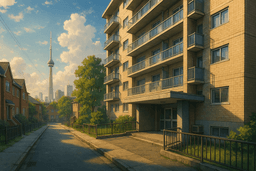
In a typical subsidized housing setup here in Toronto, you're dealing with a wildly diverse population. Seniors, families, newcomers, people managing mental health challenges, people in crisis. The building doesn't stop needing attention because it's 11 PM or because you're sick or because you've already worked ten hours straight. Official office hours might be 9 to 5, but this job bleeds into your whole life when you live on-site.
I've had to coordinate emergency repairs in the middle of the night, mediate disputes between neighbours before they turned into something serious, and comfort residents who had no one else to call. None of that is in the formal job description. All of it is part of the job.
The Quiet Sacrifice Nobody Talks About
Here's something I want building owners and property managers to really hear: the devoted staff members you have — the ones who actually care — are absorbing an enormous amount so that your building runs smoothly.
They're fielding calls after hours. They're following up with vendors when a work order falls through the cracks. They're learning residents' names, their situations, their patterns, so they can flag something before it becomes a 911 call. That kind of institutional knowledge and genuine care is not replaceable with a staffing agency temp. It just isn't.
Had a colleague once who worked in a large subsidized building in Scarborough. She knew every single resident on her floor by name. When one elderly tenant didn't pick up his mail for three days, she flagged it. That man was found in his unit and got the help he needed in time. That's not a checklist task. That's a person who cares doing something that a camera or a buzzer system will never do.
Vendors and Suppliers Are Part of the Team Too
This is something I feel strongly about and don't think gets said enough. The plumber who shows up at 7 AM, the HVAC technician who squeezes you in before a cold snap, the supplier who actually picks up the phone — these people are extensions of your building team.
I treat every vendor and supplier with the same respect I'd give a colleague. I've seen supers who speak down to trades people, rush them, complain constantly. And then they wonder why they're always at the bottom of the callback list when things get urgent. Relationships matter in this industry. Being decent to the people who support your work isn't just the right thing to do — it's practical.
When Residents Cross the Line
Let me be direct about something. Harassment of building staff is real, it happens more than people think, and it is not acceptable. I'm talking about verbal abuse, threats, physical intimidation, and the kind of slow emotional erosion that comes from being treated with contempt day after day.
I've been yelled at in hallways. I've had things said to me that I wouldn't repeat here. I know staff — good, hardworking people — who have left this industry entirely because of how they were treated by the people they were trying to help.
In subsidized housing especially, staff are often working with residents who are under significant stress. That's understandable. But stress is not a licence to abuse the person who just fixed your toilet or shovelled your walkway. There's a line, and too often it gets crossed with no consequences.
Property managers: if you're not actively backing up your staff when incidents like this happen, you're sending a message. That message is that the abuse is tolerable. It isn't.
Respect Goes Both Ways — And It Shows in the Building
Here's what I've noticed over the years. Buildings where staff are respected, supported, and given reasonable working conditions — those buildings run better. The common areas are cleaner. Repairs get done faster. Residents actually follow the rules more because they've built a relationship with the people enforcing them.
It's not magic. It's just what happens when people feel like their work matters and they're treated like professionals.
I put real effort into knowing the vendors I work with, into greeting residents by name when I can, into following up after a repair to make sure it actually held. Not because anyone's watching — often nobody is — but because that's what the job demands if you actually want to do it right.
What Building Owners Need to Understand
If you own or manage a residential building in Toronto, your staff are your front line. They are the face of your property. They handle the complaints, the emergencies, the 3 AM calls, the difficult conversations. They do it often without overtime, without recognition, and without nearly enough support.
Invest in them. Pay them fairly. Back them up when a situation goes sideways. Give them the tools — both physical and procedural — to do their jobs. And for the love of everything, make sure there's a clear process for reporting and responding to harassment so it doesn't just get swept under the rug.
The return on that investment shows up in tenant retention, in fewer emergency calls, in a building that actually feels like a home rather than a place people are just waiting to leave.
A Practical Takeaway You Can Use Today
If you manage a building or work in property management, take ten minutes this week to check in with your front-line staff. Not about work orders or maintenance logs. Just ask how they're doing. Ask if there's anything making their job harder than it needs to be.
And if you're a resident reading this: the person who keeps your building running is a professional. Treat them like one. A simple thank you goes further than you'd think, and it costs you nothing.
This work matters. The people doing it matter. And the sooner the whole industry — owners, managers, tenants, and vendors alike — starts acting like it, the better our buildings will be for everyone living and working in them.
Loading reactions…
Comments
New notes are reviewed before they appear. Be kind and on-topic.
Loading comments…