Disclosure: This post may contain affiliate links. If you make a purchase through these links, I may earn a small commission at no extra cost to you. See my full disclosure.
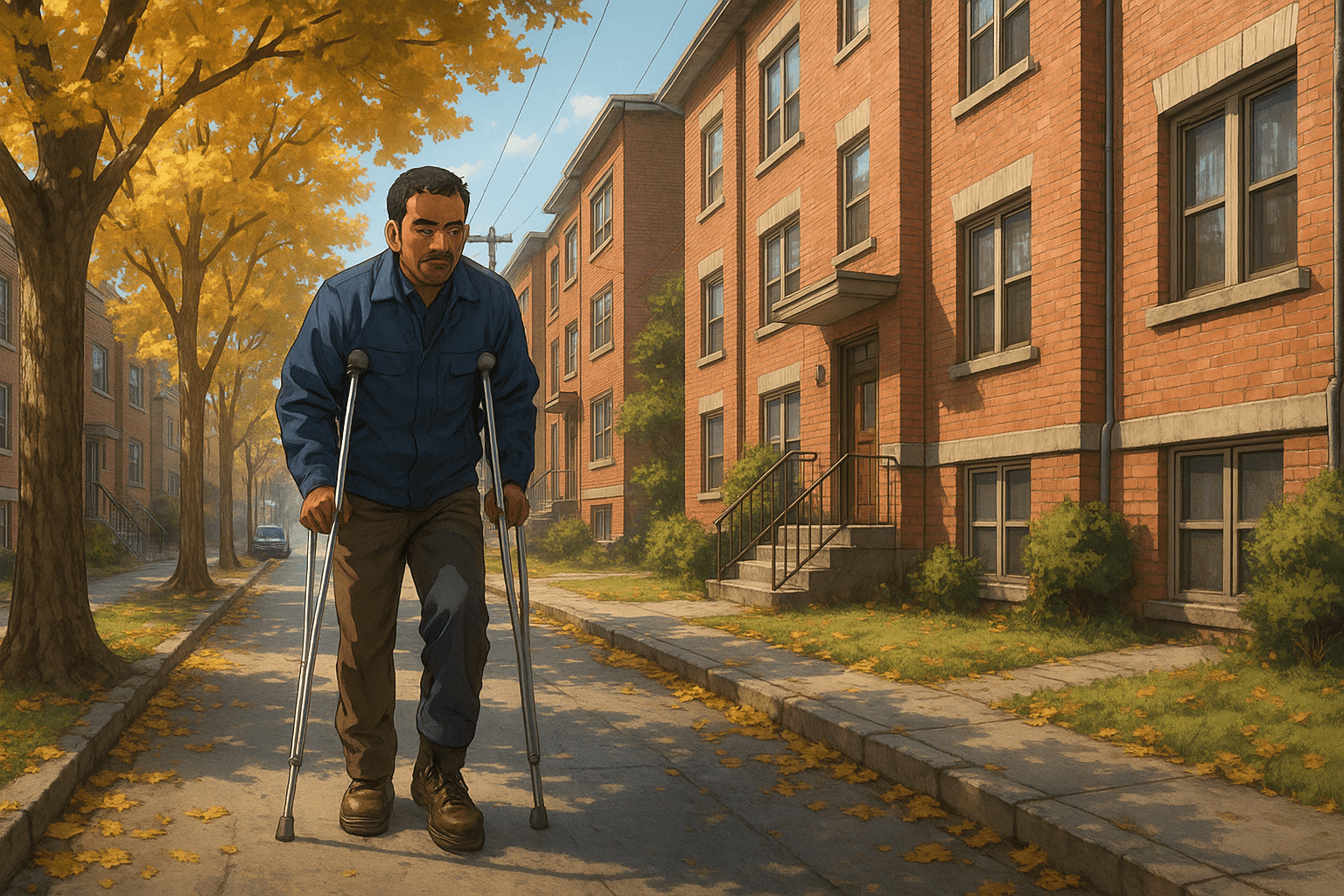
Nursing a Knee Injury: Week Two Update From a Superintendent Who Can't Afford to Be Sidelined
Two weeks into a knee injury and I'm making progress, the pain is easing up, I'm being smarter about how I move through the building, and I'm keeping one eye on eventually getting back to running. Here's an honest update on what this kind of recovery actually looks like when your job keeps you on your feet all day.
Two weeks in. Still here. Still working. Still limping a little, if I'm being honest, but things are moving in the right direction.
I posted a bit about this when it first happened, so I wanted to follow up. If you've dealt with a lower body injury while working a physically demanding job, you'll probably recognize a lot of what I'm about to say.
Where Things Stand Right Now
The pain is still there. I'm not going to sugarcoat it. But it's noticeably different from week one. Last week it was sharp and unpredictable, the kind that catches you off guard going down stairs or when you shift your weight the wrong way. This week it's duller, more manageable, and a lot more predictable. I can work around predictable pain. The unpredictable stuff is what gets you into trouble.
I've been icing in the evenings, keeping off it when I can, and being deliberate about how I move through the building during the day. Deliberate is the key word there. I'm not rushing. I'm thinking two steps ahead about whether I actually need to make that trip down to the mechanical room right now or whether it can wait fifteen minutes until I'm already heading that direction anyway.
Small adjustments. They add up.
The Hard Part About Being a Super With an Injury
Here's the thing about this job that most people outside of it don't fully appreciate, you can't just sit at a desk and power through your day. A superintendent's job is physical, period. You're walking floors, checking mechanical rooms, responding to work orders, hauling garbage bags out of a chute room when your custodian is slammed with something else. The building doesn't stop because your knee is sore.
And I'm not the type to stand around directing traffic while my team does all the physical lifting. That's not how I operate. But I've had to consciously check myself this week, several times, and ask whether I'm about to do something out of habit or ego rather than necessity.
Had a moment midweek where I was about to drop down to help move something heavy and I caught myself. Handed it off. Felt a little weird about it, honestly. But that's the right call and I know it. Pushing through the wrong thing at the wrong time in a recovery is how two weeks becomes six weeks.
Not Overworking the Knee, But Still Getting the Job Done
I've been leaning on my maintenance worker a bit more than usual for the runs that involve stairs or awkward positions. He knows what's going on and he's been solid. I'm still present, still directing, still signing off on work orders and doing walkthroughs. I'm just being selective about the physical stuff.
The job is getting done. The building is running fine. Nobody would walk in here and know the super is nursing something. That matters to me, not because I'm trying to look tough, but because the residents depend on this place running properly and that doesn't change based on what's going on with me personally.
That said, I'm not playing hero about it either. There's a difference between staying functional and being reckless.
Looking Ahead to Running Again
I miss running. A lot more than I thought I would after just two weeks. It's become such a regular part of how I decompress and reset that losing it, even temporarily, has a bigger effect than I expected. My wife noticed before I did.
I'm not putting a date on the return yet. That's how you rush it and end up back at square one. But I'm starting to think about it more in practical terms. What does the build-back look like? Walk first. Then short, easy jogs. No hills. No ego about pace. Just reconnecting with the motion before asking anything of the knee.
I've read enough about running injuries to know the return isn't a switch you flip. It's a ramp. And the length of the ramp depends almost entirely on how patient you are now.
I'm working on the patient part.
What I would do
If you're a superintendent, property manager, or really anyone in a hands-on job dealing with a physical injury right now, the thing I keep coming back to is this: staying functional doesn't mean ignoring what your body is telling you. It means listening closely enough to know what you can still do, what you need to hand off, and where the line is between pushing through and making it worse.
Week two is better than week one. I'll take it.
Check back in next week, either I'm turning a corner or I've got a more interesting story to tell.
Loading reactions…
Comments
New notes are reviewed before they appear. Be kind and on-topic.
Loading comments…
Related posts

Writing Through the Noise: Why I Started Blogging as a Superintendent
Working in subsidized housing means constant pressure, unexpected emergencies, and emotional weight that doesn't just disappear at 4:30 p.m. I started blogging not because I had all the answers, but because I needed somewhere to put everything down and make sense of it.
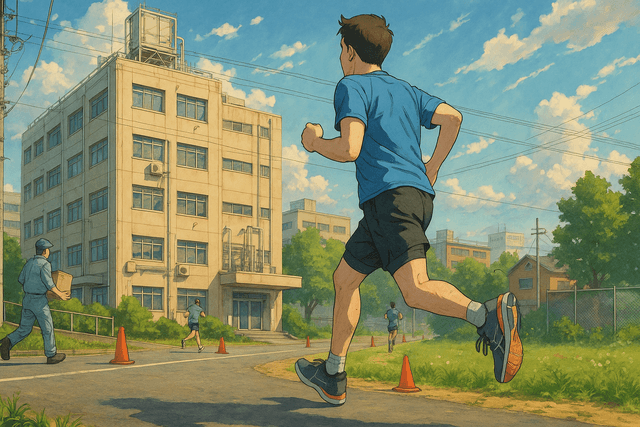
Back From Knee Injury: Why Running a 5K Matters When You Manage Buildings
After overtraining led to a knee injury, I had to rebuild my running from scratch. Getting back to a full 5K reminded me that slowing down isn't weakness, it's how you stay in the game. For someone managing a building full-time, running isn't just fitness. It's how I stay sharp enough to handle what comes next.

One Kilometre at a Time: What a Knee Injury Taught Me About Coming Back to Running
After a month off from a knee injury, I laced up and headed back out, but this time I walked the whole kilometre instead of running it. No heroics, no shortcuts. Just one step at a time, and a few hard lessons I probably should have learned a long time ago.