Disclosure: This post may contain affiliate links. If you make a purchase through these links, I may earn a small commission at no extra cost to you. See my full disclosure.
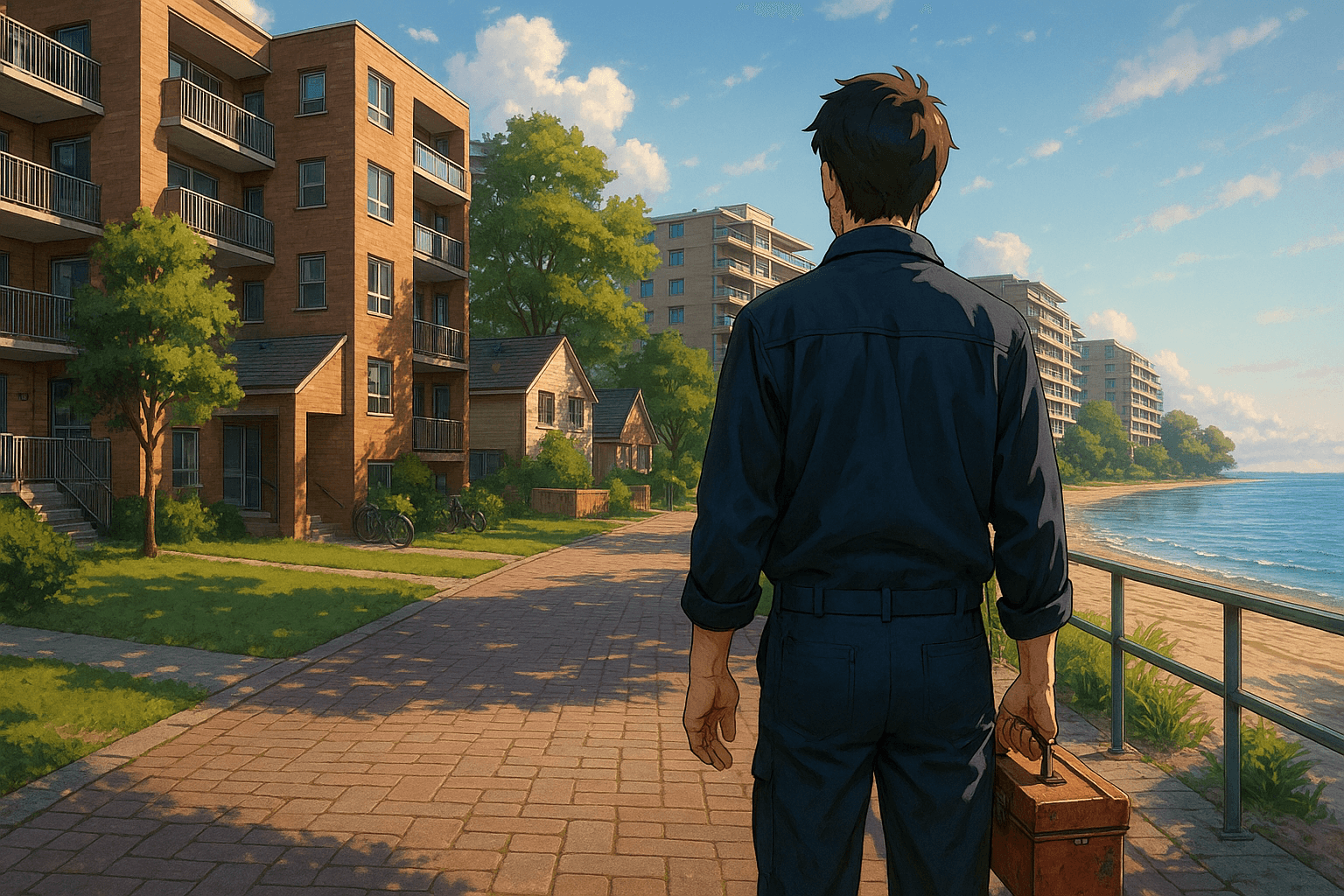
What This Job Is Really Like in Subsidized Housing
Working as a superintendent in subsidized housing is not only maintenance. It is work orders, emergencies, vulnerable residents, boundaries, old building systems, and a lot of judgment calls nobody can fully teach you before you start.
Nobody really warned me.
I had experience. I knew buildings. I knew maintenance. I knew how to troubleshoot a problem and when to call a contractor. I thought that meant I had a decent idea of what I was walking into.
I did not.
Subsidized housing has a different weight to it. The building is still a building, but the people inside often carry more than you can see from the hallway. Seniors, people with disabilities, families under stress, people dealing with addiction, people living alone, people who have been through systems most of us only see from the outside.
You are not just walking into a workplace. You are walking into people’s lives.
The job posting does not explain the real job
The posting usually says maintenance, cleaning, work orders, inspections, tenant service, communication with management.
All true.
What it does not explain is the call from a tenant who has not eaten properly. Or the resident who has not picked up mail all week and something feels wrong. Or the elevator outage that is not just an inconvenience because someone upstairs has a medical appointment and cannot do stairs.
That is the part you learn by being there.
A regular maintenance issue can become a life issue fast. Heat, elevators, water leaks, pests, safety concerns, mental health, hoarding, isolation, family conflict. It all shows up in the building one way or another.
You still have to do the work order. But you also have to understand the person standing in front of you.
You live in the middle
One of the hardest parts is being between everyone.
Tenants see you as the building person. Management sees you as the person on site. Contractors need access. Staff need direction. Residents need help. And sometimes all of those people want different things at the same time.
You make a lot of judgment calls alone.
Do I escalate this now or watch it for another day? Do I call someone’s emergency contact? Do I push back because the repair is being misunderstood from a desk? Do I step into a hallway argument or let security handle it?
There is no manual for every situation.
You build judgment slowly. Sometimes by getting it right. Sometimes by going home and thinking, I should have handled that differently.
Old systems make the work harder
The buildings are not the only things that can be old.
Sometimes the tracking systems are old too. Paper notes. Missing history. Work orders that do not tell the whole story. Unit issues that have been around for years but nobody kept clean records.
That matters.
If a unit has repeated mould complaints, water issues, pest issues, or accessibility problems, you need history. Without it, every issue looks brand new. That wastes time and makes it harder to hold anyone accountable.
Even a basic digital record is better than guessing. Dates, photos, notes, follow-ups, vendor reports. Boring stuff, but it protects tenants, staff, and the building.
I care about that more now than I did when I started.
Boundaries are not optional
This job can pull you in if you let it.
You want to help. Someone is struggling, and you are the person in front of them. It is easy to start carrying things that are not yours to carry.
But you are not a social worker. You are not a therapist. You are not someone’s family. You may have to connect people to those supports, but you cannot become all of them.
That is not cold. That is survival.
Know the resources. Know who to call. Know the emergency contacts, wellness check process, local supports, and escalation steps. Then use them when needed.
A good superintendent cares, but a good superintendent also knows where the line is.
The good moments are small
People think the big wins are the major repairs. Sometimes they are.
But the moments that stick with me are usually smaller.
A senior who starts saying good morning after months of keeping to herself. A resident who thanks you for listening even though you did not fix anything that day. Someone who reports a problem early because they trust you enough to say something. A floor that slowly starts feeling calmer because people see staff showing up consistently.
Those things matter.
They do not show up neatly in a report, but they change the feeling of a building.
Why I stay
This job is tiring. Some days it is messy, thankless, and frustrating. Some days you feel like every problem in the building found you at once.
But I stay because I am good at it. I understand the building side, and I care enough about the people side to keep learning it.
You need both.
If you only care about repairs, you miss the human part. If you only care about people and ignore the systems, the building falls apart. The job sits right in the middle.
That is what makes it hard.
That is also what makes it worth doing.
Loading reactions…
Comments
New notes are reviewed before they appear. Be kind and on-topic.
Loading comments…
Related posts
10 Things People Don't Understand About Running a Subsidized Housing Building
Being a superintendent at a subsidized housing building in Toronto is nothing like people picture it. No, you don't live there, no, you're not on call 24/7 by choice, and yes, the phone still rings at 9 p.m. Here's the real picture from someone who's lived it.
The Psychology Behind Garbage Chaos in Subsidized Housing
Garbage problems in subsidized housing run deeper than laziness or bad habits. They're rooted in disconnection, neglect, and a breakdown of shared accountability that spreads through a building faster than you'd think. As a building superintendent, I've watched this cycle play out up close, and the damage it does goes well beyond a messy hallway.

Why Your Underground Parking Garage Is Not a Storage Unit
Spare tires, old furniture, strollers sitting in the corner of the parking garage, it seems harmless until it isn't. As a building superintendent, I've seen how fast clutter in underground parking can turn into a real safety problem, and most tenants genuinely don't realize the risks they're creating.