Disclosure: This post may contain affiliate links. If you make a purchase through these links, I may earn a small commission at no extra cost to you. See my full disclosure.
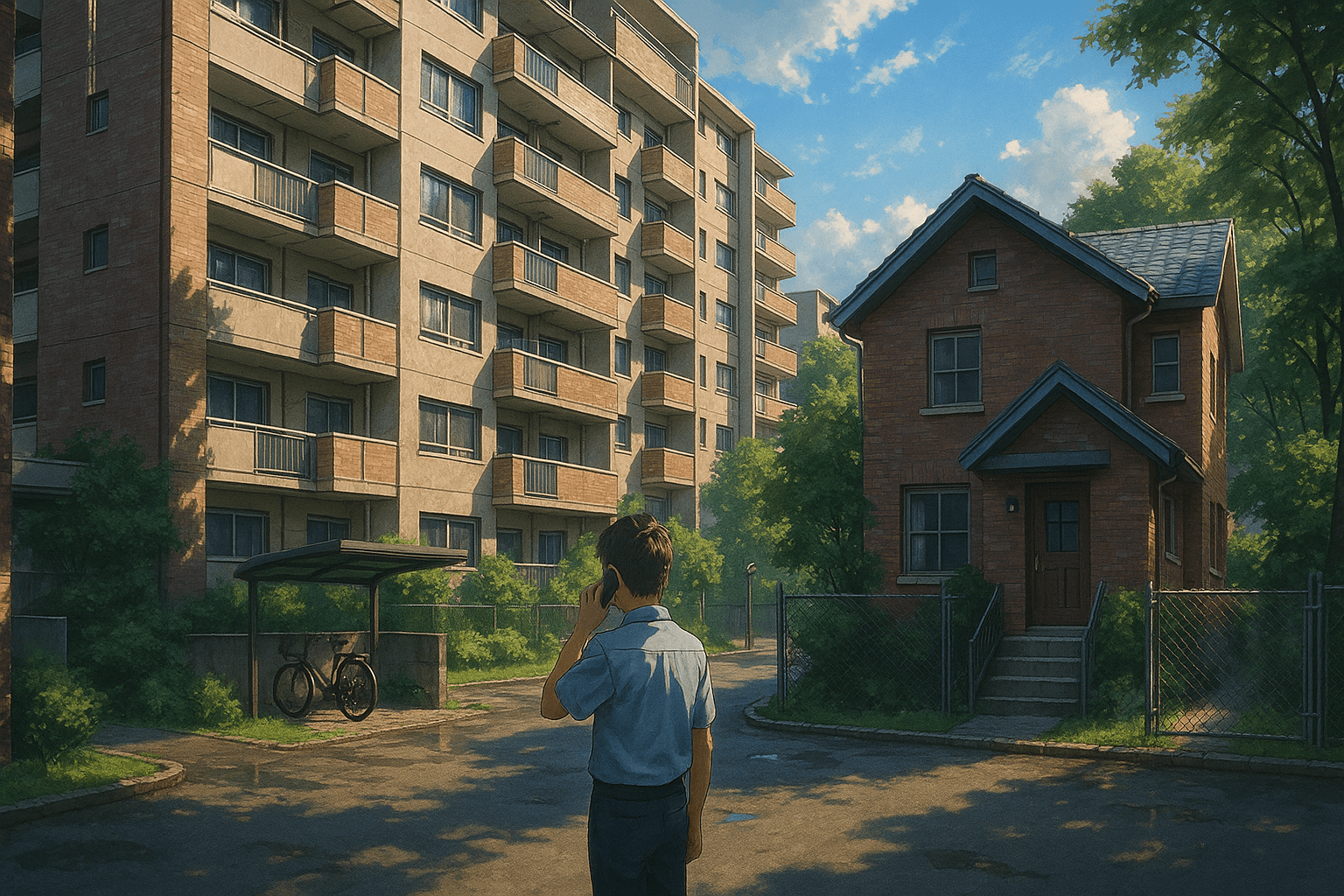
No, I Can't Read Your Mind: Why Reporting Building Issues Actually Matters
Building staff aren't ignoring your problems, they just don't know about them yet. Reporting an issue the moment it happens is the single most effective thing a tenant can do to get it fixed fast. Here's why that first phone call or work order makes all the difference.
I've had this conversation more times than I can count. Tenant stops me in the hallway, frustrated, and says something like, "The shower's been barely trickling for three weeks." And my first question, every single time, is the same: "Did you put in a work order?"
Silence. Sometimes a shrug. Sometimes a "I figured someone would notice."
Here's the thing, I genuinely wish I could notice everything. I walk this building every day. I pay attention. But I am not psychic, and neither is any other super or property manager you'll ever meet. We can't fix what we don't know is broken.
The Building Is Bigger Than You Think
From the outside, a residential building looks pretty simple. People live there, stuff breaks, someone fixes it. But on the inside, it's a small city. Dozens or hundreds of units, mechanical rooms, common areas, rooftop equipment, underground parking, laundry rooms, elevators. The list goes on.
I'm moving constantly. And I'm prioritizing based on what's been reported, what's urgent, and what the schedule looks like that day. If your shower head is clogged or your smoke detector is chirping, that information has to come from you. It doesn't float up to me through the walls.
What I tell tenants is simple: you are the first line of awareness in your own unit. You live there. You notice things before anyone else possibly could.
A Small Problem Left Unreported Becomes a Big Problem Fast
This is where I see the real cost of waiting. Had a situation once where a slow drip under a bathroom vanity went unreported for over a month. By the time it came in as a work order, the cabinet floor had rotted through and there was moisture creeping into the subfloor. What would have been a washer replacement turned into a full vanity swap and subfloor repair. Not cheap. Not fast.
Water is the enemy in any building. It doesn't take much, and it doesn't wait around while you decide if it's "worth mentioning." Same goes for a beeping smoke detector. I know the chirp is annoying, especially at 2am. But that chirp is a low battery warning, and a smoke detector with a dead battery is just a plastic disc on your ceiling. It's not protecting anyone.
Report it. I'll get it handled. That's literally what I'm here for.
What Actually Happens When You Submit a Work Order
A lot of tenants don't realize there's a real process behind that form or that phone call. When you submit a work order, a few things happen immediately. The issue gets logged with a timestamp. It gets assigned. It creates a paper trail.
That last part matters more than people think. If the same issue keeps coming back, that history helps us figure out why. A toilet that's been rebuilt three times in two years is telling us something. Without the records, we're just guessing.
The work order also protects you as a tenant. If there's ever a question about whether something was reported, or when, or what was done about it, that record is the answer. In my experience, the tenants who submit work orders consistently are also the ones who have the smoothest experience in the building. Not a coincidence.
How to Report an Issue So It Actually Gets Fixed
Being specific helps enormously. "My shower is broken" and "my shower has low hot water pressure, but cold pressure seems fine" are two very different starting points. The second one already tells me something useful before I even walk through the door.
Note when it started if you can. Mention if it's getting worse. If it's a noise, try to describe it, grinding, rattling, beeping, hissing. These details cut down on diagnostic time and get you to a resolution faster.
And if it's urgent, say so. A no-heat situation in February is not the same priority level as a squeaky cabinet hinge. Don't bury that information. Lead with it.
The Communication Goes Both Ways
I'll be straight with you, building staff should also be communicating back. If a repair is going to take longer than expected, you deserve to know that. If we need to access your unit, you should get proper notice. That's part of the deal too.
But the starting point, the thing that kicks off the whole process, has to come from you. No report means no record. No record means no action. And meanwhile, the drip keeps dripping.
You don't need to apologize for reporting something. You're not bothering anyone. This is exactly what the system is built for.
What I would do
Next time something feels off in your unit, a weird sound, a slow drain, a light that keeps flickering, don't wait to see if it resolves itself. Submit the work order today. Call the office. Send the email. Whatever your building's process is, use it.
Because the fastest path to a fixed problem always starts with someone saying, "Hey, here's what's going on." That someone has to be you.
Loading reactions…
Comments
New notes are reviewed before they appear. Be kind and on-topic.
Loading comments…
Related posts

Why Skipping the Work Order and Going Straight to the Boss Actually Slows Things Down
Some tenants think going straight to the top gets problems solved faster. In my experience, it usually does the opposite. Here's what actually happens when someone skips the process, and why following proper channels is the fastest way to get your issue fixed.
What Actually Happens When You Report a Leaky Faucet
A leaky faucet sounds simple until you are the one responsible for fixing it, documenting it, finding the right part, and making sure it does not turn into water damage. This is how a small plumbing call usually goes from the superintendent side.

Honesty Builds Trust: Why Character Matters in Building Superintendent Work
Trust isn't something you can manufacture or fake in this profession. As a building superintendent, your character shows in the small moments, and those moments add up to something that either earns you respect or quietly costs you it. Here's why honesty is the most practical tool I carry.