Disclosure: This post may contain affiliate links. If you make a purchase through these links, I may earn a small commission at no extra cost to you. See my full disclosure.
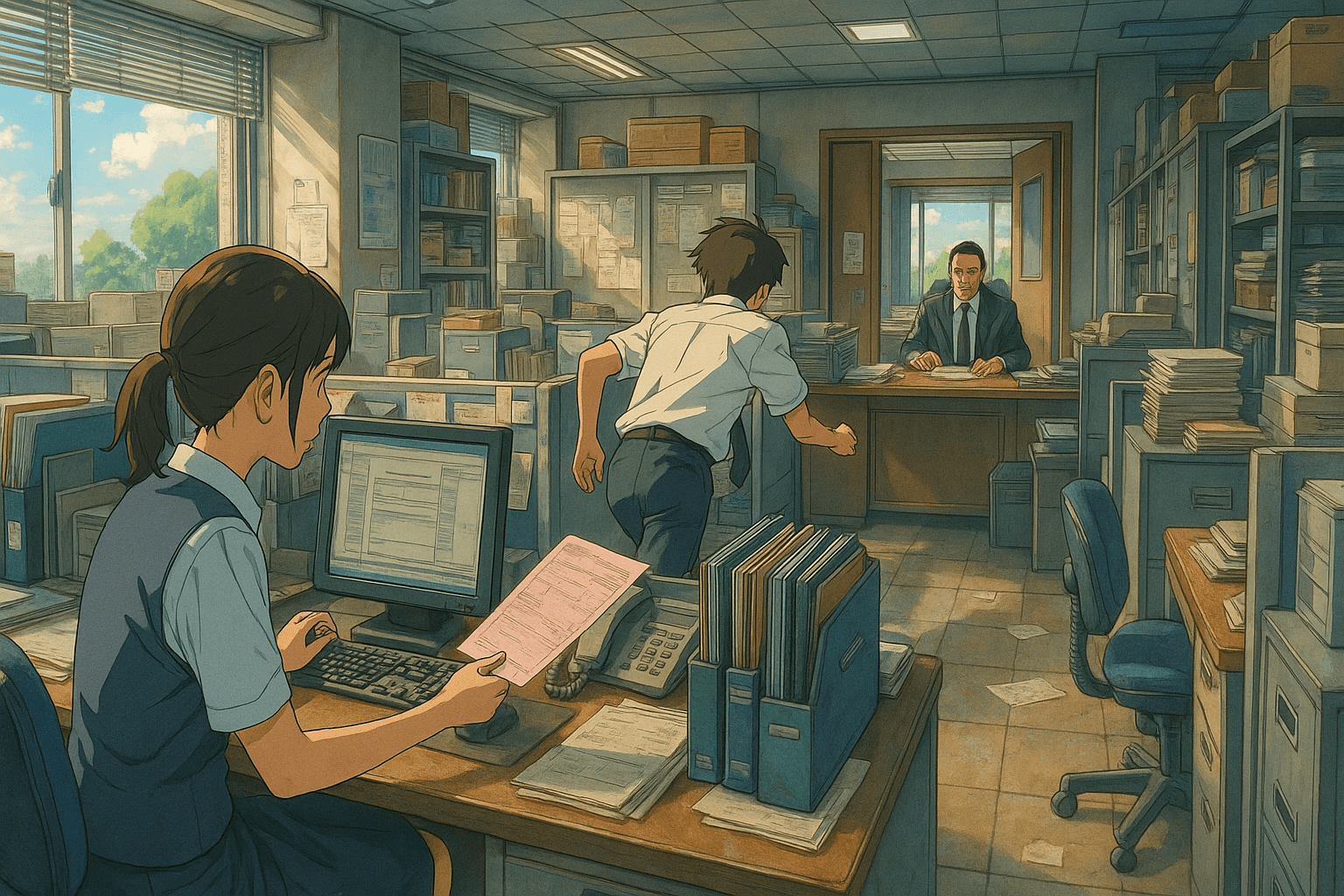
Why Skipping the Work Order and Going Straight to the Boss Actually Slows Things Down
Some tenants think going straight to the top gets problems solved faster. In my experience, it usually does the opposite. Here's what actually happens when someone skips the process, and why following proper channels is the fastest way to get your issue fixed.
I've been doing this job for years. I've seen every kind of tenant personality you can imagine. And one type that comes up more than people might expect is the one who, the second something goes wrong in their unit, completely bypasses building staff, skips the work order system, and fires off an email directly to the property owner or the head of the management company.
They think they're being proactive. They think the squeaky wheel gets the grease. What they don't realize is they've just made their own problem take longer to fix.
The System Exists for a Reason
I know work order systems can feel like red tape. I get it. Nobody wants to fill out a form when their kitchen faucet is dripping at 2am. But that process isn't there to slow you down or brush you off. It's there because it creates a record, routes the request to the right person, and lets us actually track what's happening.
When a tenant submits a proper work order, I know about it. My maintenance team knows about it. We can prioritize it against everything else on the board, order parts if we need them, and schedule a time that works. That's not bureaucracy for the sake of bureaucracy. That's just how you get 200 units' worth of issues managed without things falling through the cracks.
What Actually Happens When You Email the CEO About a Leaky Faucet
Here's the real sequence of events. Tenant emails the head of the company about a dripping faucet or a door that's sticking. The executive either forwards it to a regional manager, who forwards it to the property manager, who then calls me. By the time that message reaches me, it's been through three or four hands, and half the details have been lost or misunderstood.
Now I'm chasing down what unit it is, what the actual problem is, and whether anyone has already been in touch with the tenant. Had a situation once where a tenant escalated a heating complaint directly to ownership, and by the time it got back to me, I'd already had it on my work order list for two days and was waiting on a part. Nobody knew that because nobody had asked building staff first.
The problem wasn't ignored. It was already being handled. The escalation just created confusion and made the tenant think we weren't doing anything.
The People at the Top Don't Have the Information I Have
This is something tenants don't always think about. The owner or the head of a management company does not know what's been submitted, what's in progress, or what my maintenance schedule looks like on any given day. That's not a knock on them. It's just not their job to track that. It's mine.
When someone bypasses building staff, they're going to someone who has less context, not more. The executive then has to come back to me anyway, and now there's an uncomfortable layer of pressure and miscommunication wrapped around what was probably a routine request.
What I tell tenants when they push back on the process is simple: I'm the one who knows your building. I know if that bathroom exhaust fan has been on the list before, if there's a history with that unit's plumbing, if the part we need has a three-week lead time. Nobody upstairs has that information at their fingertips. I do.
It Can Actually Work Against You
I'll be honest about something most people in my position won't say out loud. Tenants who constantly escalate over the heads of building staff develop a reputation. Not with the maintenance guy. With management. There's a difference between a tenant who advocates for themselves and one who makes every minor issue into a corporate event.
Property managers and owners notice patterns. If your name is always showing up in their inbox attached to complaints that were already being handled, it affects how your future requests get perceived. I've watched tenants undermine their own credibility with ownership by escalating things that were already in motion.
That's not fair, maybe. But it's real.
When Escalating IS the Right Call
I'm not saying you should never go above building staff. There are absolutely situations where that's appropriate. If you've submitted a work order and heard nothing for a week on something that affects your health or safety, escalate. If you feel like your concerns are being dismissed or ignored repeatedly, escalate. If there's a maintenance issue that's causing damage and nobody is responding, absolutely make noise.
The key is trying the right channels first. Give building staff a reasonable window to respond. Follow up with a quick call or email to the super or property manager directly if you're not hearing back. Most of the time, you'll find the issue is already being addressed or there's a reason for the delay that nobody communicated well.
That's a process failure on our end, and it's fair to address it. But the answer is a direct conversation with building staff, not an emergency email to the company president about a slow drain.
How to Actually Get Your Issue Fixed Fast
Submit the work order with as much detail as possible. What's the problem, where exactly is it, when did you first notice it, is it getting worse. A good description cuts the back-and-forth in half. Then follow up with me or the property manager directly if you haven't heard anything in 24 to 48 hours for non-emergency issues.
For emergencies, call the emergency maintenance line. Every building should have one. That's what it's for. Don't email anyone. Call.
If the system at your building is genuinely broken and requests consistently go nowhere, that's worth raising with management through a formal channel. Document your requests, note the dates, and bring the pattern to the property manager's attention in writing. That's how you create accountability without blowing up the communication structure that everybody in the building depends on.
What I would do
Before you fire off that email to the top of the org chart, take 60 seconds and submit a work order or call the building office. In my experience, most issues get resolved faster that way than any other. The system works when people use it. And the people who use it properly are usually the ones who get their problems fixed first.
Loading reactions…
Comments
New notes are reviewed before they appear. Be kind and on-topic.
Loading comments…
Related posts
No, I Can't Read Your Mind: Why Reporting Building Issues Actually Matters
Building staff aren't ignoring your problems, they just don't know about them yet. Reporting an issue the moment it happens is the single most effective thing a tenant can do to get it fixed fast. Here's why that first phone call or work order makes all the difference.

The Psychology Behind Garbage Chaos in Subsidized Housing
Garbage problems in subsidized housing run deeper than laziness or bad habits. They're rooted in disconnection, neglect, and a breakdown of shared accountability that spreads through a building faster than you'd think. As a building superintendent, I've watched this cycle play out up close, and the damage it does goes well beyond a messy hallway.

The Compactor Room Is Not a Magic Hole
Most tenants only notice the garbage compactor when it stops working. I get it. When it is doing its job, you toss the bag in and move on. But that machine is one of the things keeping a building from turning messy fast, and it does not take much abuse to make everyone’s day worse.