Disclosure: This post may contain affiliate links. If you make a purchase through these links, I may earn a small commission at no extra cost to you. See my full disclosure.
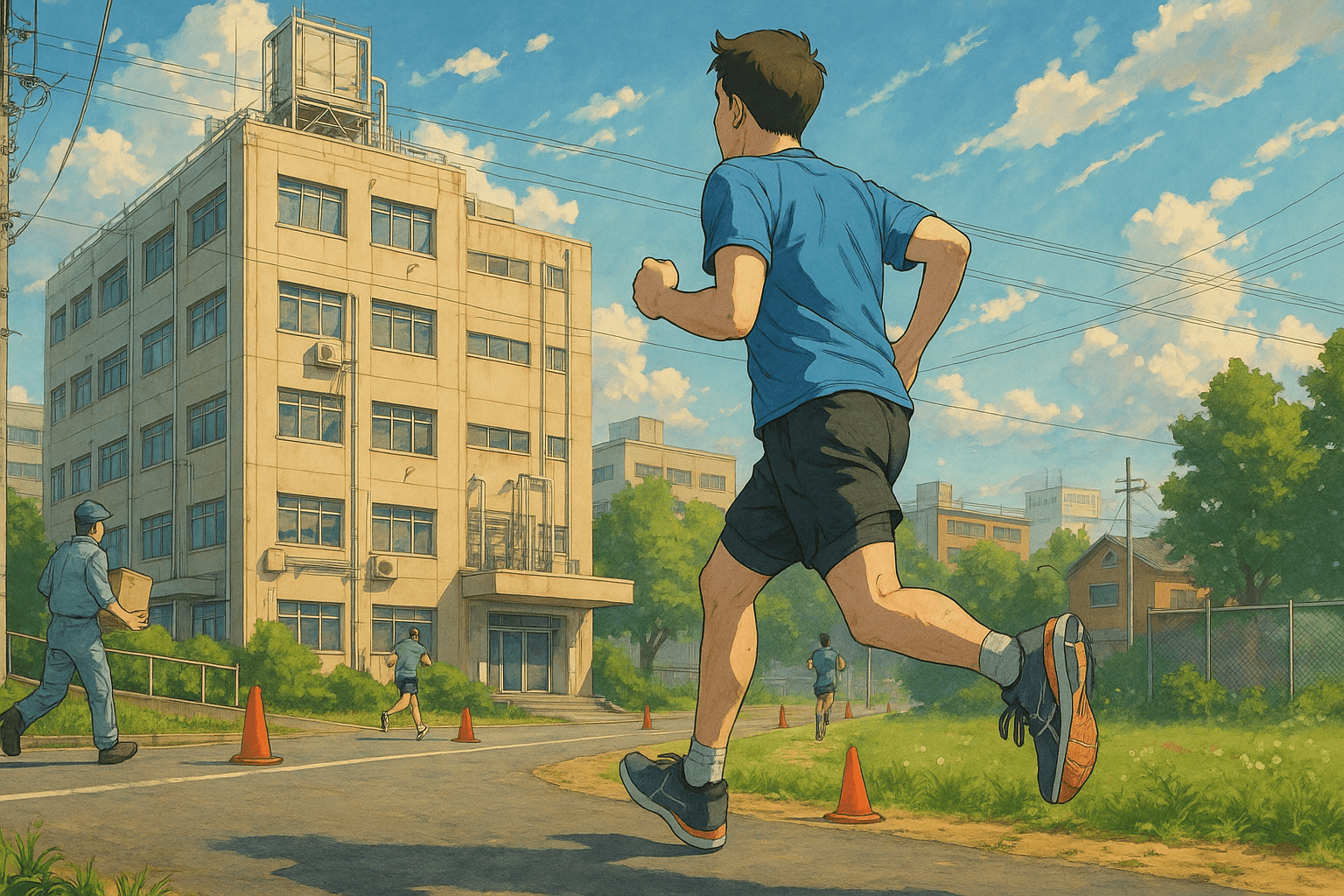
Back From Knee Injury: Why Running a 5K Matters When You Manage Buildings
After overtraining led to a knee injury, I had to rebuild my running from scratch. Getting back to a full 5K reminded me that slowing down isn't weakness, it's how you stay in the game. For someone managing a building full-time, running isn't just fitness. It's how I stay sharp enough to handle what comes next.
I pushed too hard last two months ago and my knee let me know.
Not dramatically. No pop, no fall. Just a dull ache that wouldn't quit, then soreness that made stairs feel like punishment. I'd been adding mileage too fast, skipping rest days, running through tightness I should've respected. Classic overtraining. The kind of mistake you make when you think more effort always equals better results.
It doesn't.
I had to stop running entirely for a while. That was harder than the injury itself.
What Happens When You Can't Run Anymore
I didn't realize how much I relied on running until I couldn't do it.
It wasn't about fitness or hitting a certain pace. It was about starting the week with something that cleared my head before I head to work. Something I controlled in a job where half the day is reacting to whatever broke overnight or whatever complaint just came through the system.
Without it, I felt off. More irritable. Less patient with recurring issues. Quicker to feel the weight of a long winter in a building where things break constantly and people are dealing with their own stress.
Running gave me a reset button. Losing it reminded me I need that button.
Rebuilding From Scratch
Coming back wasn't about picking up where I left off. It was about accepting I had to start over.
I did walk-run intervals. Embarrassingly slow. I'd run for two minutes, walk for one, repeat. It felt like going backward, but it was the only way forward that didn't make my knee flare up again.
I also had to deal with the mental side of it. Watching my pace drop. Watching my distance shrink. Feeling like I was out of shape even though I was doing what I was supposed to be doing.
The hardest part wasn't the running. It was trusting the process when every instinct told me to push harder.
Why a 5K Goal Mattered
I set a goal to run a full 5K without stopping. No intervals. Just a straight, continuous run.
It wasn't ambitious by most standards. But it was the right goal for where I was. Something achievable but not easy. Something I could actually measure progress toward without lying to myself about where I stood.
I hit it a few days ago. Nothing fancy. Early morning, quiet streets, nobody watching. But I finished it, and it felt like proof I could trust my body again.
That matters more than the time or the distance. It's the difference between feeling like you're holding together and feeling like you're actually capable of handling what's ahead.
What Running Does for This Job
Being a superintendent isn't just physical work. It's decision fatigue. It's tenant conflicts and contractor delays and equipment failures that don't care about your schedule.
Running helps me manage that in ways I didn't fully appreciate until I lost it.
It keeps me physically ready for the job. Climbing ladders, moving bins, working in tight mechanical rooms or under the sink, being on your feet most of the day, you need a baseline level of fitness or you'll feel it by Wednesday.
But more than that, it keeps me mentally sharp. I think better after a run. I'm more patient with tenants who are frustrated. I'm better at staying calm when three things go wrong at once.
There's also just the stress relief. You can't take the building home with you if you burn it off before you get there.
I'm Not Done Yet
Hitting the 5K goal felt good, but I'm not pretending I'm where I want to be.
My pace is still slower than it was before the injury. My endurance isn't fully back. And I know I've got a tendency to get excited and start adding miles too fast again which is exactly what got me hurt the first time.
So I'm staying at this level for now. Running the same distance, working on consistency, letting my body adapt without pushing the timeline. I'll add more when I'm ready. Not before.
I'm also being smarter about recovery. Actually taking rest days. Stretching more. Paying attention when something feels tight instead of ignoring it and hoping it goes away.
It's boring. It's not the kind of progress that feels exciting to talk about. But it's what keeps you running long-term instead of sidelined again six months later.
What I Learned From Being Forced to Slow Down
The injury taught me something I should've already known: slowing down isn't the same as quitting.
I spent years thinking that effort was everything. That if you just pushed harder, you'd get there faster. And maybe that works for some things. But it doesn't work for bodies, and it doesn't work for jobs like this one either.
You can't sprint a building into good condition. You can't force solutions by just working longer hours. You have to pace yourself, deal with issues methodically, and accept that some progress is slow and unglamorous.
Same with running. Same with recovery.
I don't love that lesson. But I needed it.
Why I'm Writing About This
This isn't a typical post for me. I usually stick to building operations, tenant issues, maintenance problems, the kind of stuff I deal with at work.
But the reality is that how I show up at work depends on what I do outside of it. And running is a big part of that.
If I'm not managing my own stress, I'm not going to manage a building well. If I'm not taking care of my body, I'm not going to be effective in a role that's physically demanding. And if I'm not building habits that keep me steady over the long term, I'm going to burn out.
So yeah, this is about running. But it's also about sustainability. About figuring out how to stay in a demanding job without breaking yourself in the process.
Where I'm At Now
I'm running three times a week. Sticking to 5K for now. Focusing on form, recovery, and not being an idiot about mileage.
It's working. My knee feels solid. My head's clearer. I'm handling work better than I was a few months ago.
And honestly, just being able to run again feels like a win. I don't need to be fast. I don't need to hit some huge distance milestone. I just need to keep showing up and not break myself again.
That's the goal. Stay consistent. Stay smart. Keep running.
Because I know what happens when I don't. I don't enjoy physiotherapy sessions.
Loading reactions…
Comments
New notes are reviewed before they appear. Be kind and on-topic.
Loading comments…
Related posts

One Kilometre at a Time: What a Knee Injury Taught Me About Coming Back to Running
After a month off from a knee injury, I laced up and headed back out, but this time I walked the whole kilometre instead of running it. No heroics, no shortcuts. Just one step at a time, and a few hard lessons I probably should have learned a long time ago.
Getting Back in Shape After an Accident: How I Made Fitness Part of My Everyday Life
After a serious accident, I had to rebuild my fitness from the ground up, slowly, stubbornly, and with a lot of help from my wife and a Garmin on my wrist. Here's what actually worked for me and why I think movement, at any level, is worth starting today.
Nursing a Knee Injury: Week Two Update From a Superintendent Who Can't Afford to Be Sidelined
Two weeks into a knee injury and I'm making progress, the pain is easing up, I'm being smarter about how I move through the building, and I'm keeping one eye on eventually getting back to running. Here's an honest update on what this kind of recovery actually looks like when your job keeps you on your feet all day.