Disclosure: This post may contain affiliate links. If you make a purchase through these links, I may earn a small commission at no extra cost to you. See my full disclosure.
I Pushed My Running Plan Too Fast
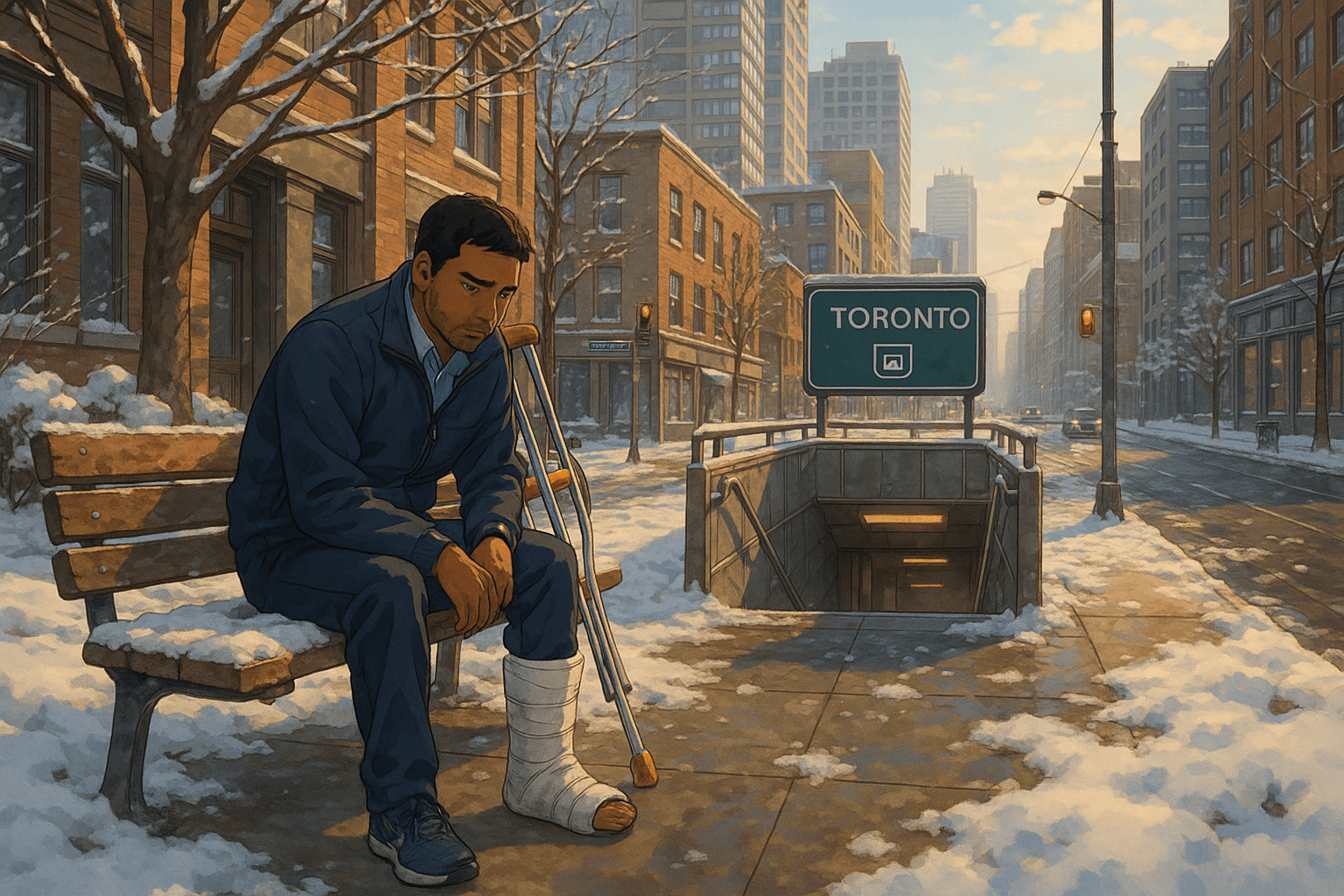
I was supposed to build back slowly. Instead, I felt good, jumped ahead, and my knees reminded me why the plan existed in the first place. This one is about running, but honestly it applies to work too: skipping steps catches up with you.
I had a plan.
That is the annoying part. I was not just winging it. I had an 11-week plan to get back to 5K. Slow build. Rest days. Easy runs. Nothing dramatic.
Then I started feeling good and decided I was smarter than the plan.
Two weeks in, I was already running 4K. My brain immediately went, look at that, I am ahead. Maybe I do not need to move so slowly. Maybe I can push this a bit.
My knees had a different opinion.
Feeling good is not the same as being ready
This is where I messed up.
My breathing felt fine. My motivation was high. I could finish the distance. So I assumed my body was ready for more.
But running is not only lungs.
Your joints, tendons, ligaments, and smaller stabilizing muscles need time. They do not adapt as fast as your cardio. You can feel strong and still be putting stress on parts of your body that are not ready yet.
That is exactly what I did.
Both knees started getting sore. Then the soreness stuck around. Then I had to stop running completely, which is the opposite of progress.
Skipping steps usually looks smart at first
This happens at work too.
A new person learns a task quickly and starts skipping parts of the process because it feels repetitive. Maybe nothing bad happens the first few times. That is how the bad habit gets confidence.
Then something goes wrong.
A valve was not checked. A note was not entered. A contractor was not confirmed. A small warning sign was ignored because everything seemed fine yesterday.
The process usually exists because someone learned the hard way.
That is what my running plan was. A process. I treated it like a suggestion.
Rest days are not wasted days
I used to look at rest days like empty space.
If I felt good, why not run? Why sit around when I could get ahead?
That thinking is what got me hurt. Rest is not a break from training. It is part of the training. That is when your body catches up to the work.
The same is true in a hands-on job. You can push through for a while, but if you ignore every warning sign, eventually your body makes the decision for you.
I know that. I still had to relearn it.
Discipline is not always pushing harder
This one stung a bit.
I like effort. I like seeing progress. I like feeling like I am doing more than expected.
But discipline is not only going hard. Sometimes discipline is stopping when the plan says stop. Running the shorter distance even though you feel like you could do more. Taking the rest day even though you are restless.
That kind of restraint is harder for me than pushing.
Anyone can get excited for a couple of weeks. The real work is staying patient long enough to keep going.
Where I am now
I had to back off.
Ice, stretching, easier movement, no pretending the knee pain was nothing. When I get back to the plan, I am not restarting from where my ego wants me to be. I am restarting from where my body actually is.
That is frustrating, but it is better than turning a small injury into a long one.
The goal was never to prove I could run 4K in two weeks. The goal was to build a habit and get to 5K without wrecking myself.
I lost sight of that.
The building lesson in all of this
The funny thing is, I already know this lesson from work.
When you rush a building job, it usually comes back to bite you. Skip the photos, and later nobody remembers what the problem looked like before the repair. Skip the note in the work order, and the next person has no history. Skip the small inspection because everything seems fine, and then you are surprised when the bigger issue shows up on a Friday afternoon.
The boring steps protect you.
That is what the running plan was doing. It was protecting me from myself. I just did not want to hear it because I felt good in the moment.
There is a certain kind of confidence that is useful. Then there is the kind that makes you ignore the checklist. I crossed into the second one.
What I would tell myself now
Stick to the plan when it feels too easy.
That is probably when you need it most.
If you are building a fitness habit, learning a skill, or taking on something new at work, do not confuse early progress with readiness. Early progress feels good. It is also where a lot of people get careless.
Slow is annoying.
Starting over is worse.
Loading reactions…
Comments
New notes are reviewed before they appear. Be kind and on-topic.
Loading comments…
Related posts

My First Acupuncture Treatment: What a Running Injury Taught Me About Stretching and Recovery
After pushing through runs without proper stretching, my knees finally had enough. My physiotherapist introduced me to acupuncture as part of my recovery, and I'll be honest, I wasn't expecting much. What happened next genuinely surprised me.
Getting Back in Shape After an Accident: How I Made Fitness Part of My Everyday Life
After a serious accident, I had to rebuild my fitness from the ground up, slowly, stubbornly, and with a lot of help from my wife and a Garmin on my wrist. Here's what actually worked for me and why I think movement, at any level, is worth starting today.
Back From Knee Injury: Why Running a 5K Matters When You Manage Buildings
After overtraining led to a knee injury, I had to rebuild my running from scratch. Getting back to a full 5K reminded me that slowing down isn't weakness, it's how you stay in the game. For someone managing a building full-time, running isn't just fitness. It's how I stay sharp enough to handle what comes next.