Disclosure: This post may contain affiliate links. If you make a purchase through these links, I may earn a small commission at no extra cost to you. See my full disclosure.
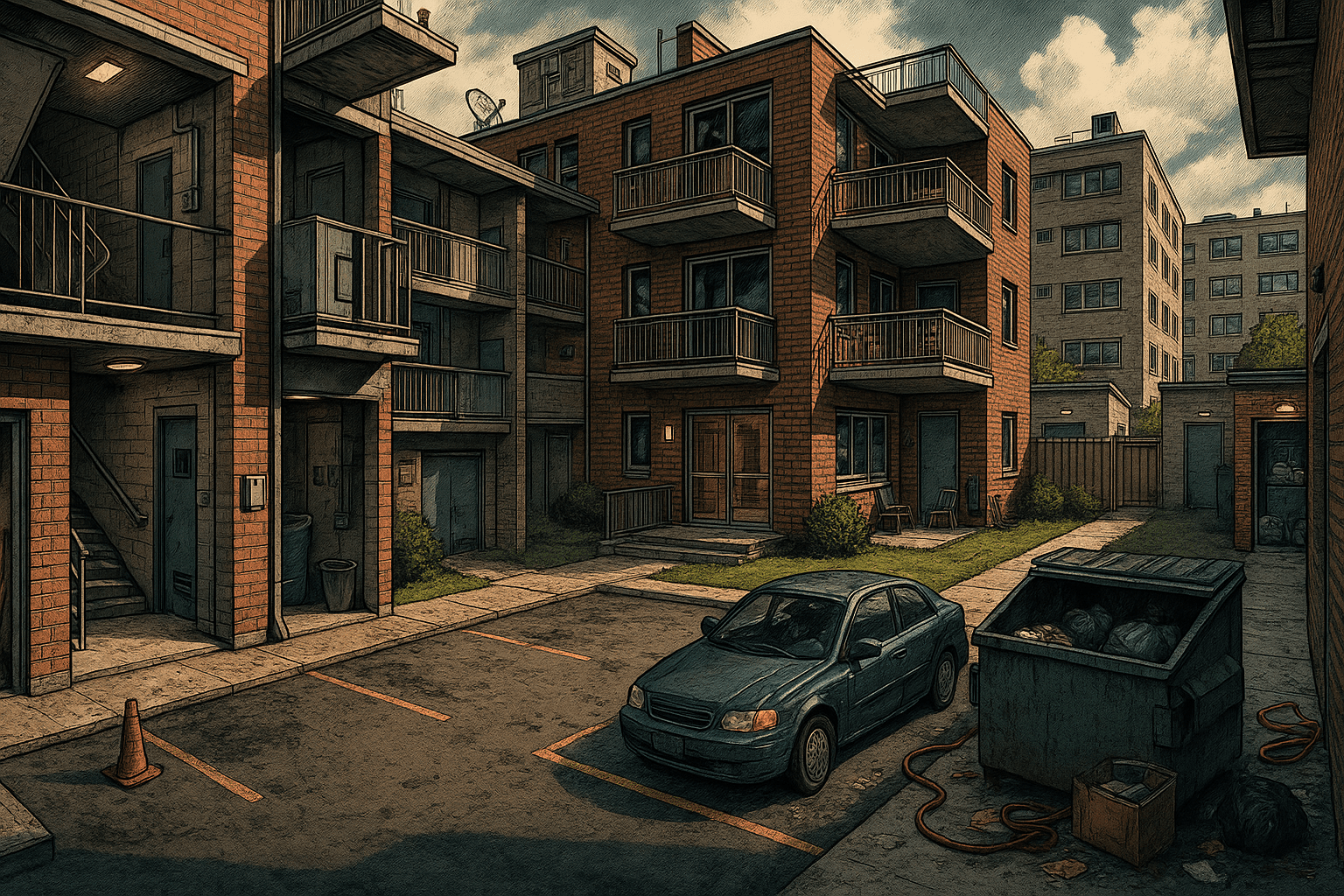
Someone Was Urinating in the Stairwell
Camera footage confirmed why the stairwell kept smelling bad. The cleanup mattered, but so did handling the conversation privately and protecting the staff member left with the mess.
Our custodian had been dealing with a bad smell in the stairwell for days. She cleaned the area, came back, and found herself dealing with the same thing again. By the time she asked me to review the camera footage, she was pretty sure someone was urinating there.
She was right.
I was annoyed before the clip had even finished. A stairwell is shared space and an emergency exit. Residents use it. Staff use it. Our custodian should not have to keep cleaning up bodily waste because somebody decided the rules did not apply to them.
The footage answered one question
The person on camera was connected to a household in the building. I am leaving out names, ages, unit numbers, and anything else that could point back to them. The behaviour matters here. Their identity does not.
I spoke to the tenant privately. The tenant was embarrassed and apologized right away. I kept the conversation simple: this had happened in a shared stairwell, staff had to clean it, and it needed to stop.
The tenant understood. I did not need to turn the hallway into a courtroom or make a show of being tough. I needed the household to deal with the person involved and understand what the incident had done to everyone else.
Later, the tenant thanked me for not calling the police. I said my goal was to solve the problem, not pile more trouble onto the household. That did not make the behaviour acceptable. It meant I was giving a direct conversation a chance to work before treating the situation as something it had not yet become.
The person cleaning it carries the worst part
People sometimes talk about common-area messes as if they disappear on their own. They do not. A staff member brings the cleaner, deals with the smell, and loses time that should have gone to the rest of the building.
Our custodian takes pride in her work, and she was still upset about the incident a week later. She was the one who had to clean up after it. That was not fair to her.
My maintenance guy had seen enough strange building problems that he was not shocked. He just shook his head. Still, “we have seen worse” is not a reason to accept it. Shared areas only stay usable when residents and staff both believe the rules mean something.
I have written before about the people part of being a superintendent. This was one of those situations where the conversation mattered as much as the cleanup. I had to be firm with the household without turning a private problem into entertainment for the building.
What happened over the next week
I checked the cameras again around noon. A week had passed, and we had not seen another incident.
That was a relief. It was not proof that the problem could never happen again, but it told me the private conversation had done more than another generic notice probably would have.
Several tenants stopped me to discuss the post. One asked whether I knew who had done it. I did, but I did not tell her.
Rumours move fast in an apartment building. Once a name starts going around, the story grows with every floor. Residents needed to know we had dealt with the sanitation problem. They did not need a person to gossip about.
I had posted a camera image with the person's face hidden. Even with the face hidden, other details can sometimes identify someone to neighbours. I would handle that differently now and make the notice about the behaviour, not display an image of the person.
A basic standard
Nobody is asking for luxury here. A clean stairwell is a basic expectation. So is a fair response when someone in a household does something wrong.
The custodian reported the pattern. The footage confirmed it. I spoke to the tenant, kept the details private, and followed up. We did not observe another incident during that week.
For that week, no new mess had been reported. I was relieved, but I was still watching to see whether the change would last.
Shared-space problems come up in every building. This one needed a firm private conversation, respect for the custodian who had to clean it, and less gossip in the hallway. For the moment, the stairwell was clean again.
Loading reactions…
Comments
New notes are reviewed before they appear. Be kind and on-topic.
Loading comments…
Related posts
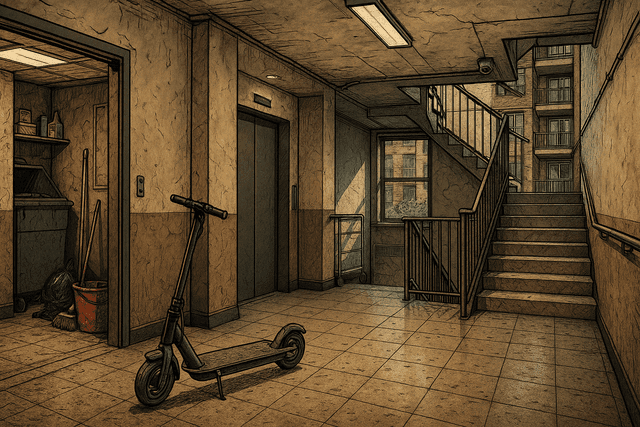
The Scooter in the Middle of the Hallway
At 7:30, I moved someone's e-scooter out of the hallway. The tire marks were annoying, but the real problem was a rider passing too close to a resident who walks with a cane.
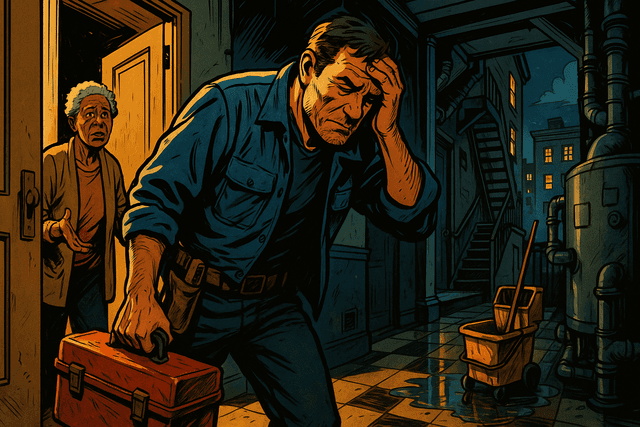
The Fine Line Between Compassion and Burnout in Working as a Building Superintendent
Nobody warned me that the hardest part of this job wouldn't be the boilers or the work orders, it would be the people, and how much of their weight I'd end up carrying home. This isn't a post about solutions. It's about naming something that doesn't get named enough in this line of work.
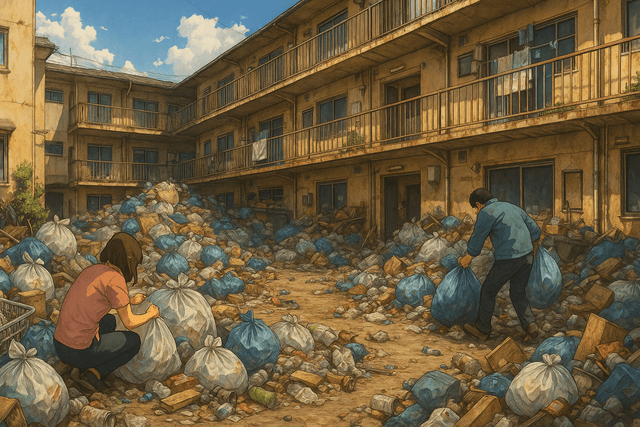
The Psychology Behind Garbage Chaos in Subsidized Housing
Garbage problems in subsidized housing run deeper than laziness or bad habits. They're rooted in disconnection, neglect, and a breakdown of shared accountability that spreads through a building faster than you'd think. As a building superintendent, I've watched this cycle play out up close, and the damage it does goes well beyond a messy hallway.