Disclosure: This post may contain affiliate links. If you make a purchase through these links, I may earn a small commission at no extra cost to you. See my full disclosure.
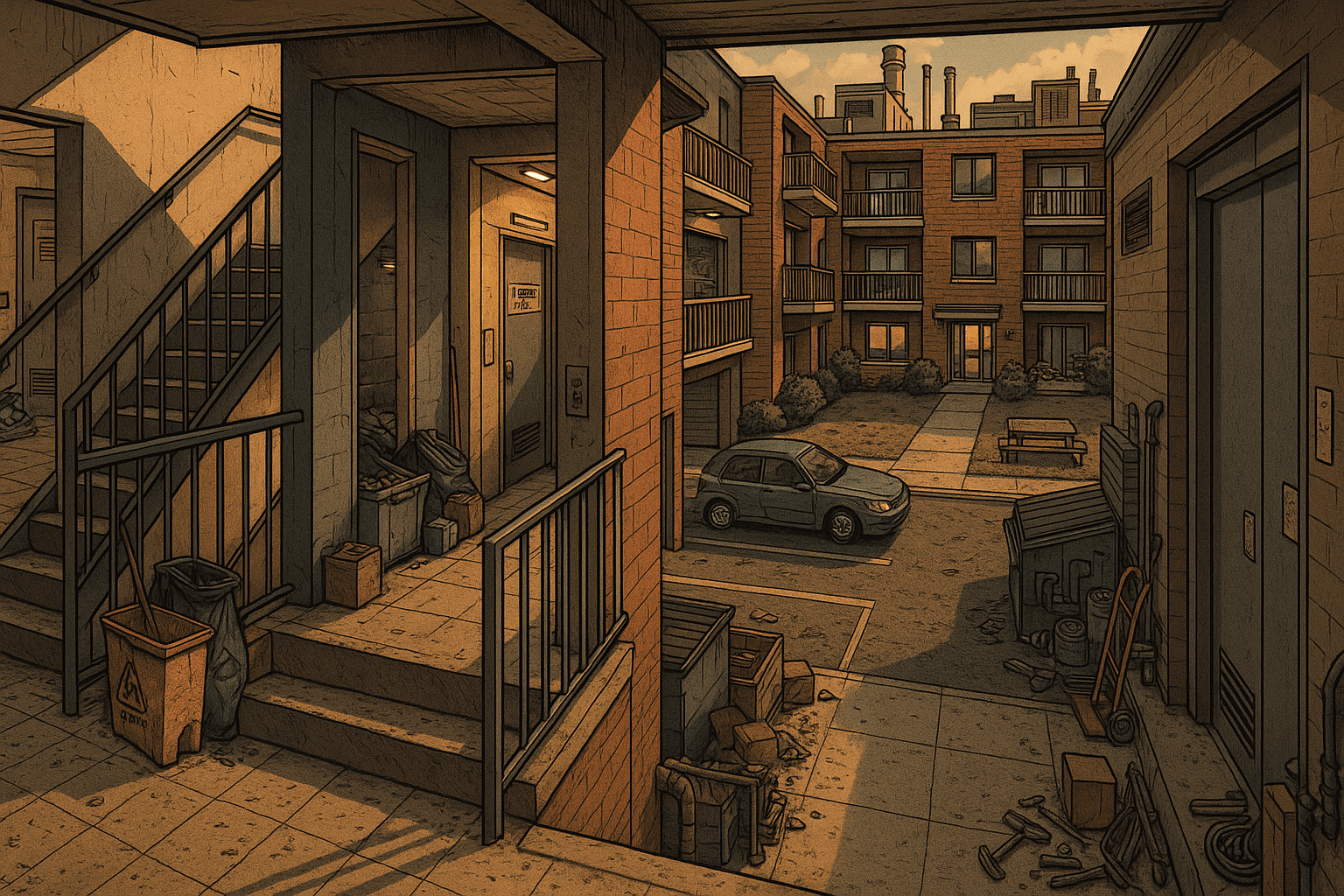
What Happens After You Talk to a Noisy Tenant (and They Sign the Paper)
You've had the conversation, they signed the compliance form, and now you're wondering if that's actually going to change anything. In my experience, this is where the real work starts, not where it ends.
Got a noise complaint this week. Not from someone in my building, yeah from my good friend, the superintendent next door. That's how loud it was. Weekend parties. Music thumping through the walls. The kind of noise that doesn't stay in one unit.
I sat down with the tenant, went through the lease, pointed to the quiet enjoyment clause and the noise provisions. They nodded along. I had them sign a compliance request form acknowledging the issue and agreeing to stop. They seemed agreeable. No pushback. Signed without much fuss.
And now I'm sitting here wondering if that actually solved anything.
The Part Nobody Talks About
Here's what nobody tells you when you're new to this job: having the conversation is the easy part. Getting someone to sign a piece of paper is the easy part. What comes after, that's where you find out if you're dealing with a real problem or just a one-time thing that got out of hand.
I've done this enough times to know that the signature doesn't mean compliance. It means they heard you. It means there's a paper trail if things escalate. It does not mean the music stops.
Some tenants sign and genuinely didn't realize how loud they were being. They adjust. Problem solved. Others sign because they know they have to, and then test whether you're actually going to follow through. And some sign because they think the conversation is over and they can go back to doing exactly what they were doing.
You don't know which one you're dealing with until the next weekend rolls around.
Why I Always Start with the Lease
I don't walk into these conversations trying to be anyone's friend or their parent. I walk in with the lease agreement and I point to the exact section they signed when they moved in. Noise provisions. Disturbance clauses. Quiet enjoyment. It's all right there.
This isn't about me being annoyed. It's not about the other tenants being too sensitive. It's about what they agreed to when they took the keys.
I've found that framing it this way takes some of the emotion out of it. I'm not accusing them of being bad people. I'm reminding them of a commitment they already made. Most of the time, that shift in framing helps. Not always, but most of the time.
And I always, always have them sign something. A compliance request. An acknowledgment form. Whatever your organization calls it. That signature creates a record that the conversation happened, that they were informed, and that they understood the expectations going forward.
Because if this happens again, and trust me it will happen again, you need to be able to show that this wasn't the first time you addressed it.
What I'm Watching For Now
The next few weekends are going to tell me everything I need to know.
If the noise stops, great. I close the file, make a note in the tenant's record, and move on. If it continues, I escalate. Another documented conversation. Another notice aka warning letter. Depending on how bad it gets, possibly a notice to the tenancy enforcement unit or legal.
But here's the thing, I'm not just waiting for another complaint to come in. I'm paying attention myself. Walking by the unit on Friday and Saturday nights when I'm around the building anyway. Checking in with the tenants who share walls or floors with them. Asking the superintendent next door to let me know if it happens again.
I don't sit in my truck outside their unit with a decibel meter or anything, the city handles the decibel stuff, but I also don't assume the problem is solved just because they said it would be.
When It's Not Actually About the Music
Sometimes a noise complaint is about more than just noise.
I've had situations where the person complaining is dealing with something else entirely, stress at work, health issues, a difficult living situation, and the noise is just the thing they can point to and say, "This is the problem." I've also had situations where the noisy tenant is going through something. A breakup. A job loss. A rough patch. And the parties are how they're coping.
None of that excuses violating the lease. But it does shape how I approach the follow-up.
If I get the sense that there's something bigger going on, I try to connect them with resources. Tenant support services. Community programs. Sometimes just knowing that someone noticed helps. But I'm not a social worker and I'm not a therapist. I’m just an ordinary application engineer turned superintendent, My job is to make sure the building runs and that people can live in their units without being disturbed.
So I balance empathy with enforcement. I give people room to adjust. But I also draw a line when that adjustment doesn't happen.
The Other Building Factor
This one adds a layer I don't usually deal with. The complaint came from the superintendent next door. That means the noise is traveling outside my building entirely, which makes it harder to ignore and easier for it to become a bigger issue.
If it was just internal complaints, I could manage it unit by unit. But when it's affecting another building, it reflects on my site, my management, and my ability to maintain order. That puts a bit more pressure on making sure this actually gets resolved.
I've worked with the other superintendent before. Good guy. Not someone who complains unless it's actually a problem. So when he reached out, I knew it wasn't exaggerated. He gave me the heads-up before escalating it further, which I appreciate. Now it's on me to make sure it doesn't happen again.
What Happens If It Continues
If the noise continues after this conversation, the next step is a formal written warning. That goes into their file and it clearly states that further violations could result in lease termination proceedings.
I don't love going that route. Evictions are messy, time-consuming, and expensive. They're also stressful for everyone involved, including me. But if a tenant won't comply after multiple conversations and documented warnings, there's not a lot of other options.
The lease exists for a reason. It protects everyone, the tenants who want to live in peace, the tenants who need clear expectations, and the building's ability to function as a community. If someone repeatedly ignores that, they're not just affecting their neighbors. They're making the building harder to manage for everyone.
I've seen tenants turn it around after a formal warning. The shift from "we talked about this" to "this is now a legal issue" sometimes lands differently. But I've also seen tenants who just don't care, and those situations end badly.
Where I Am With This One
Right now, I'm in wait-and-see mode. The conversation happened. The form is signed. The tenant seemed reasonable. I'm hoping that's the end of it.
But I'm not assuming it is.
I'll keep an eye on it over the next few weekends. I'll check in with the other superintendent to see if he's still hearing anything. If it stays quiet, this was a success. If it doesn't, I escalate.
That's the part of this job that's hard to explain to people outside of it. You can do everything right, have the conversation, document it, follow procedure, and still not know if it worked until time passes. You can't force compliance. You can only create the conditions for it and respond when it doesn't happen.
So yeah. I talked to the tenant. They signed the paper. And now I'm waiting to see if that actually meant anything.
Loading reactions…
Comments
New notes are reviewed before they appear. Be kind and on-topic.
Loading comments…
Related posts
Someone Was Urinating in the Stairwell
Camera footage confirmed why the stairwell kept smelling bad. The cleanup mattered, but so did handling the conversation privately and protecting the staff member left with the mess.
The People Behind Your Building: Why Good Staff Matter More Than You Think
Behind every well-run building is a team of people quietly holding things together, often without recognition, and sometimes under real pressure. This is what that work actually looks like, and why how you treat building staff matters more than most residents ever realize.

The People Part of Being a Superintendent
I thought this job would mostly be repairs, cleaning, keys, contractors, and work orders. Then I learned fast that the people side is just as important. A tenant can forgive a delay if they know what is happening. What they remember is being ignored.